Managing Sensory Processing Disorder in Kids: How Chiropractic Care Helps the Nervous System Thrive
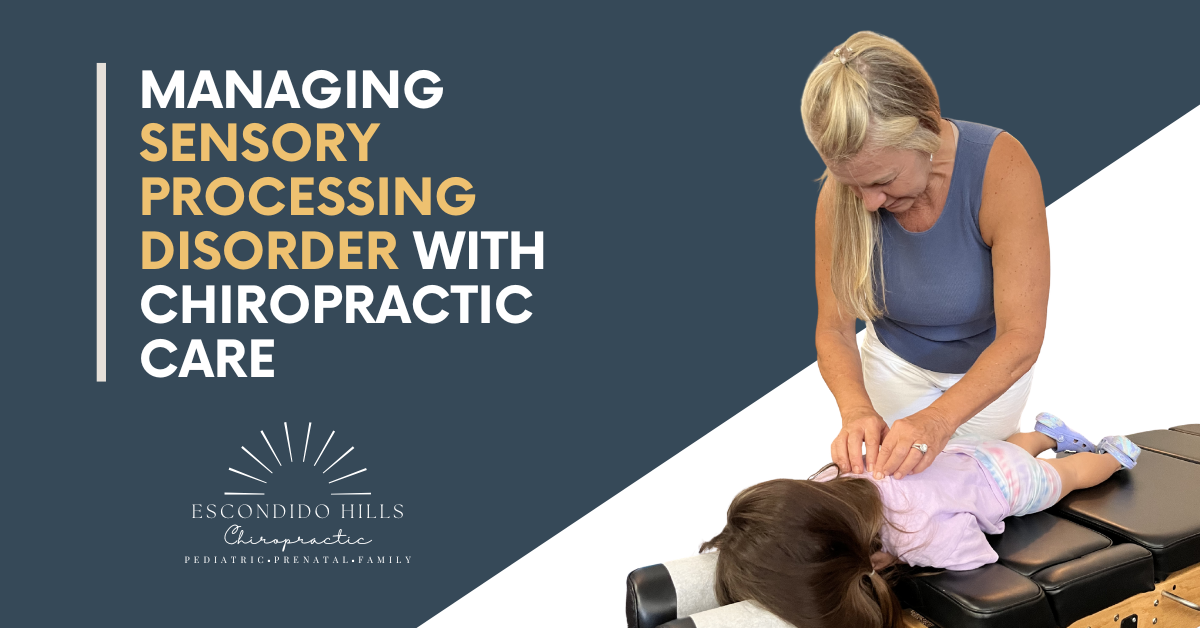
If you’ve ever wondered why your child melts down over sock seams… or why they crave nonstop movement like a tiny parkour athlete… or why certain sounds send them into panic mode — you’re not alone.
Sensory Processing Disorder (SPD) affects an estimated 1 in 6 children, and yet most parents never hear about it until they’re living it. And even then, many are told, “Don’t worry, they’ll grow out of it,” which isn’t just dismissive — it’s often untrue.
But here’s the good news: when you understand how your child’s nervous system works, and what helps it function better, you unlock a whole new level of support and relief—not just for your child, but for your entire family.
Let’s break it all down in a way that makes sense.
What Exactly Is Sensory Processing Disorder?
Sensory Processing Disorder happens when a child’s nervous system struggles to take in, interpret, and respond to sensory information. And we’re not just talking about the five senses you learned in school.
The body actually uses eight sensory systems, including:
- Touch (tactile)
- Sound (auditory)
- Sight (visual)
- Taste (gustatory)
- Smell (olfactory)
- Balance & motion (vestibular)
- Body awareness (proprioception)
- Internal body cues (interoception)
When these systems work well, your kiddo can navigate the world with confidence. When they don’t? Even simple tasks—getting dressed, sitting in class, going to a birthday party—can feel overwhelming, confusing, or physically painful.
How Sensory Issues Show Up in Everyday Life
Kids with SPD typically fall into two broad categories:
1. Sensory Avoiders (Hypersensitive)
These kids experience the world as “too much.”
- Tags and textures feel painful
- Noises feel startling or overwhelming
- Bright lights or busy environments trigger distress
- Hugs, brushing teeth, or haircuts may feel unbearable
Their nervous system is constantly in fight-or-flight mode, reacting to everyday sensations as if they’re threats.
2. Sensory Seekers (Hyposensitive)
These kids can’t get enough input.
- Crash, jump, run, climb constantly
- Rough play
- Chew on clothing or objects
- Seem “fearless” or unaware of danger
- Crave spinning, swinging, or upside-down movement
Their brain isn’t registering sensation properly, so they push harder and harder to “feel” grounded.
Most children fall somewhere in between — avoiders in some situations, seekers in others.
Why Is This Happening? The Nervous System Connection
For decades, occupational therapists have helped children manage sensory challenges. But what many parents don’t realize is SPD isn’t just a behavioral issue — it’s a neurological one.
Here’s the simple explanation:
If your child’s nervous system is stressed, overwhelmed, or out of balance, the messages between their sensory systems and their brain can get scrambled.
Think of it like static on a phone call.
The message is there, but it’s fuzzy, delayed, or distorted.
This “static” often comes from:
- Birth stress or interventions (C-section, forceps, vacuum-assisted birth)
- Injury or tension in the spine
- A chronically overactive sympathetic nervous system (“fight-or-flight mode”)
- Vagus nerve dysfunction
- Subluxations affecting nerve communication
Research shows that up to 80% of C-section babies show signs of sensory imbalance early in life — not because something is wrong with them, but because their nervous system had a more stressful entry into the world.
Chiropractic care focuses directly on supporting a calm, balanced nervous system so the brain can actually process sensory input the way it’s supposed to.
How Chiropractic Care Supports Children with SPD
At Escondido Hills Chiropractic Care, our approach is neurologically focused — which means we go beyond symptoms and look at how the nervous system itself is functioning.
Here’s what that looks like:
1. Gentle, Pediatric-Safe Adjustments
We use light, precise adjustments that help restore proper movement and communication within the spine and nervous system.
Many parents notice improvements in:
- Emotional regulation
- Sleep
- Motor coordination
- Tolerance to textures, sounds, and transitions
- Focus and attention
2. Improving Position Sense & Body Awareness
Adjustments help the brain receive clearer signals from joints and muscles, which boosts balance, movement planning, and coordination — areas many SPD kids struggle with.
3. Calming the Fight-or-Flight Response
A stressed sympathetic nervous system keeps kids stuck in hypervigilance.
Adjustments stimulate the parasympathetic system (the “rest-and-digest” response), helping:
- Anxiety decrease
- Meltdowns reduce
- Sensory overwhelm lessen
4. Supporting the Vagus Nerve
This nerve plays a huge role in emotional regulation, digestion, sensory processing, and attention. Chiropractic care helps improve vagal tone, supporting more regulated responses to sensory input.
SPD Often Co-occurs with Other Conditions—Here’s Why
Many children with SPD also experience:
- ADHD
- Anxiety
- Autism Spectrum Disorder
- Behavioral challenges
- Motor delays
These conditions all share one common thread:
The nervous system is working harder than it should.
A busy, overwhelmed brain can’t focus, can’t regulate emotions, and can’t stay calm — no matter how hard the child tries.
That’s why chiropractic care can be life-changing for families: it supports the root of the issue, not just the symptoms.
How to Recognize Sensory Red Flags
If your child regularly struggles with any of these, it may be more than “typical behavior”:
- Covers ears in everyday environments
- Melts down over textures, food, grooming, or clothing
- Extremely picky eating
- Constantly crashing, jumping, spinning
- Clumsy, uncoordinated, or “rough” unintentionally
- Sleeps poorly
- Overreacts or under-reacts to pain
- Difficulty with transitions or surprises
- Avoids messy play
- Trouble focusing or sitting still
- Emotional outbursts triggered by seemingly “small” things
Intensity, frequency, and impact on daily life are the biggest indicators.
Real Families, Real Change
Our patient, Jack, has sensory challenges. Jack has a speech delay and was waking up in the middle of the night for 1–2 hours at a time. He also had a lot of sensory-seeking behaviors.
After starting chiropractic care, the family noticed changes almost immediately, especially with his sleep. His sleeping improved right away.
Since then, his speech has been advancing and he’s saying more words. His family is seeing changes on a daily basis!. He’s added a handful of new words and has calmed down a lot overall.
His parents said this: “Every time Jack got a haircut, he would cry the entire time. But after starting chiropractic care, he sat calmly on his dad’s lap for the whole haircut. That had never happened before.”
Children aren’t meant to just “survive” their environment. They’re meant to thrive in it.
And when we support the nervous system, everything changes.
Ready to Help Your Child’s Sensory System Function at Its Best?
If your kiddo shows signs of Sensory Processing Disorder — or you simply want answers, clarity, and a team who truly listens — we’re here for you.
- Escondido Hills Chiropractic Care specializes in neurologically focused pediatric chiropractic care, sensory challenges, and family wellness.
- Gentle. Safe. Research-based. Life-changing.
Call our office today at 1.760.740.9799 to schedule a consultation
Or click here to book your child’s appointment online.
Your child’s world doesn’t have to feel overwhelming.
With the right support, their nervous system can find balance — and your family can find hope.